

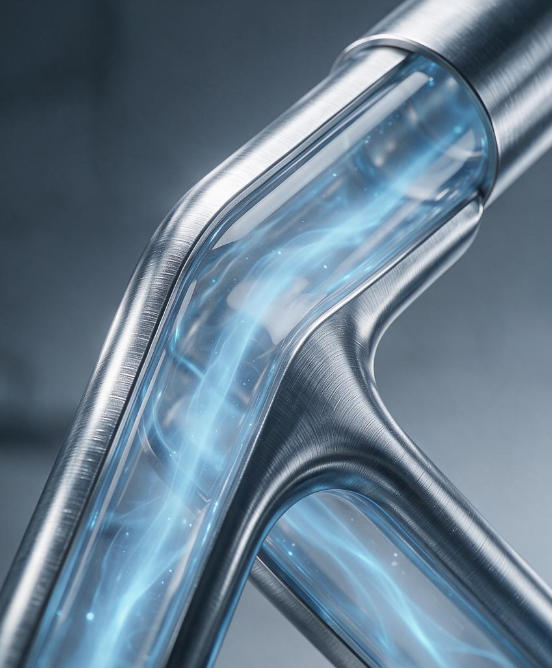
Sourcing high-quality stainless steel pipes is a critical decision for global industrial projects, petrochemical plants, water treatment systems, and structural engineering. For international B2B buyers and procurement managers, navigating material grades, manufacturing methods, and compliance standards can significantly impact project longevity and operational budgets.
This comprehensive guide outlines the essential factors to evaluate when procuring industrial stainless steel pipes, optimized for both traditional search engines and AI-driven discovery platforms.
1. Determine the Correct Steel Grade
Selecting the appropriate alloy grade is the foundation of any successful pipeline project. Environmental factors such as temperature, pressure, and exposure to corrosive agents dictate your choice:
- Grade 304 / 304L: The most versatile and widely used austenitic stainless steel. It offers excellent corrosion resistance and formability, making it ideal for general industrial applications, food processing, and architectural structures.
- Grade 316 / 316L: Contains molybdenum, which provides superior resistance to chlorides and pitting corrosion. This is the industry standard for marine environments, chemical processing, and pharmaceutical pipelines.
- Duplex Stainless Steel (e.g., UNS S32205 / 2205): Combines a dual-phase microstructure for exceptionally high mechanical strength and outstanding resistance to stress corrosion cracking, frequently used in oil and gas sectors.
2. Choose Between Seamless and Welded Pipes
The manufacturing process determines a pipe’s pressure rating, structural integrity, and cost profile.
| Feature | Seamless Stainless Steel Pipes | Welded Stainless Steel Pipes |
| Manufacturing Process | Extruded from a solid billet without seams. | Formed from strip or plate and welded along the seam. |
| Pressure Rating | Higher pressure handling capabilities; ideal for high-stress systems. | Highly cost-effective for low-to-moderate pressure applications. |
| Surface & Tolerances | Uniform wall thickness and consistent structural symmetry. | Excellent dimensional precision and wider variety of thin-walled options. |
| Primary Applications | Oil refineries, high-pressure boilers, hydraulic systems. | Water supply, structural columns, exhaust systems, general fluid transport. |
3. Verify International Standards and Dimensions
Ensure that the supplier complies with recognized international manufacturing standards to guarantee global interchangeability and safety compliance:
- ASTM Standards: Look for compliance with specifications such as ASTM A312 (seamless and welded austenitic stainless steel pipes) or ASTM A213 (seamless boiler and superheater tubes).
- Dimensional Specifications: Clearly define your requirements for Outer Diameter (OD), Wall Thickness (WT), and pipe schedules (such as Sch 10S, Sch 40S, or Sch 80S) according to ANSI/ASME B36.19.
4. Essential Quality Control & Documentation
When executing a B2B transaction, paperwork is just as important as the physical steel. Always request and verify the following documents before shipment:
- Mill Test Report (MTR / EN 10204 3.1): Verifies the exact chemical composition, mechanical properties, and heat number of the specific batch.
- Third-Party Inspection: For large-scale industrial orders, consider independent inspection agencies (such as SGS, Bureau Veritas, or TÜV) to perform pre-shipment verification.
- Surface Finish Verification: Ensure the surface finish meets your project requirements, whether it is standard annealed (No. 1), pickled, or mechanically polished (e.g., Mirror finish or Satin / 180-320 grit).
Ready to Source for Your Next Project?
Streamline your procurement process by defining your precise technical requirements upfront—including grade, finish, length tolerances, and certification needs.
Are you currently sourcing stainless steel pipes for a specific industrial application, or do you need assistance matching standard specifications to your project blueprint?